Home · Services · Contents Cleaning and Pack Out
Contents Cleaning and Pack Out in Southfield, MI
Quick answer
Sorting, cleaning, and where needed storing your belongings after a fire, with a documented inventory for insurance.
Contents cleaning in Southfield runs two economies at once. In houses it is the standard packout: inventoried, photographed, cleaned on site or packed out, with the inventory doubling as the claim document. In condos and senior living it is many households at once, many small inventories, and a building file that needs each unit's record separated cleanly. Nothing is discarded before it is documented in either economy.
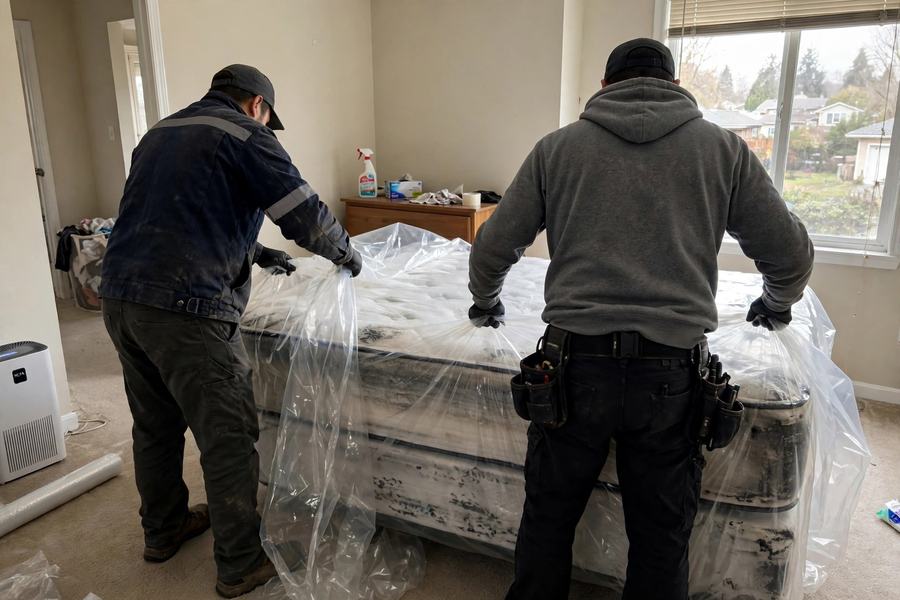
Signs you need contents cleaning and pack out
- Furniture, clothing, and keepsakes carry soot or smoke odor
- You are unsure what can be cleaned and what cannot
- The home will be under repair and belongings need to be out of the way
- Your insurer is asking for an inventory of damaged contents
What the job involves
What affects the price
- Volume of contents and how much is cleanable
- Material mix: upholstery, leather, electronics, and paper all need different handling
- Whether storage is needed and for how long
- How much documentation the insurer requires
- Rush items you need back first: work clothes, documents, medications storage, children's items
When it is an emergency
Contents are rarely a night one emergency, with two exceptions: items that are actively wet from firefighting water, and anything you will need in the next few days. Tell the crew about both in the first call so they are handled first.
PLACEHOLDERContents Cleaning and Pack Out across the Southfield area
Related services
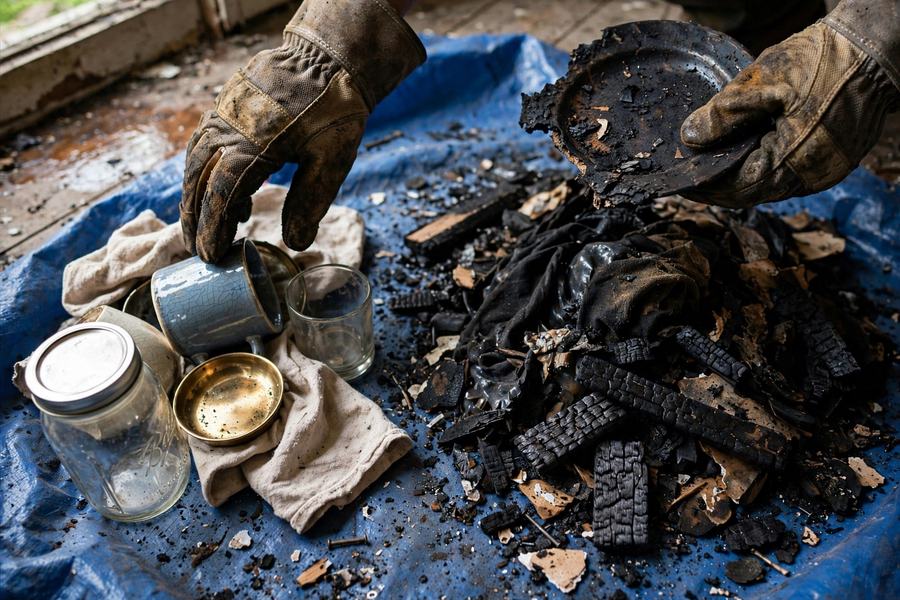
Fire Damage Restoration
Full restoration after a fire in the home: securing the property, removing what burned, cleaning smoke and soot, and rebuilding what the fire took.
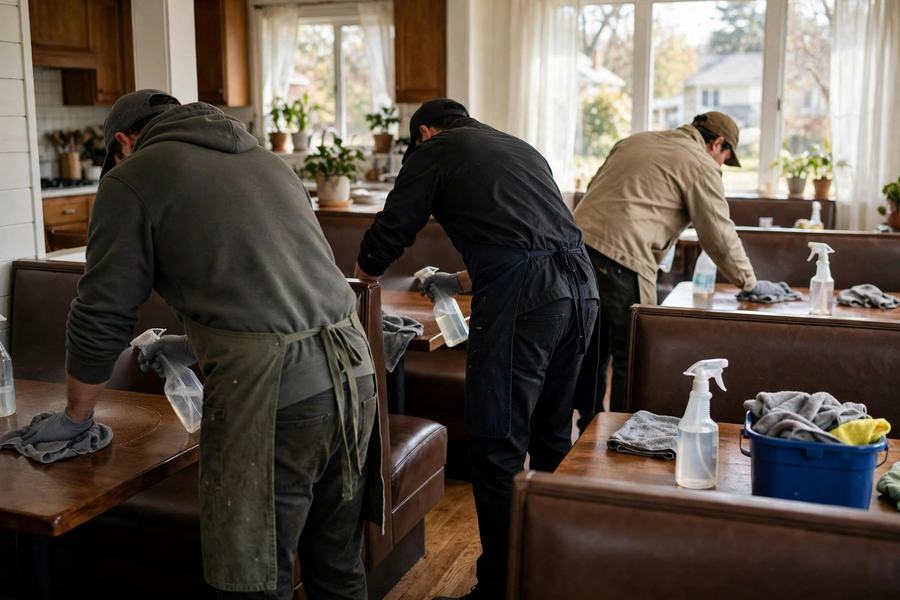
Commercial Fire Damage
Fire restoration for shops, restaurants, offices, and rental properties, scoped around getting the doors open again.
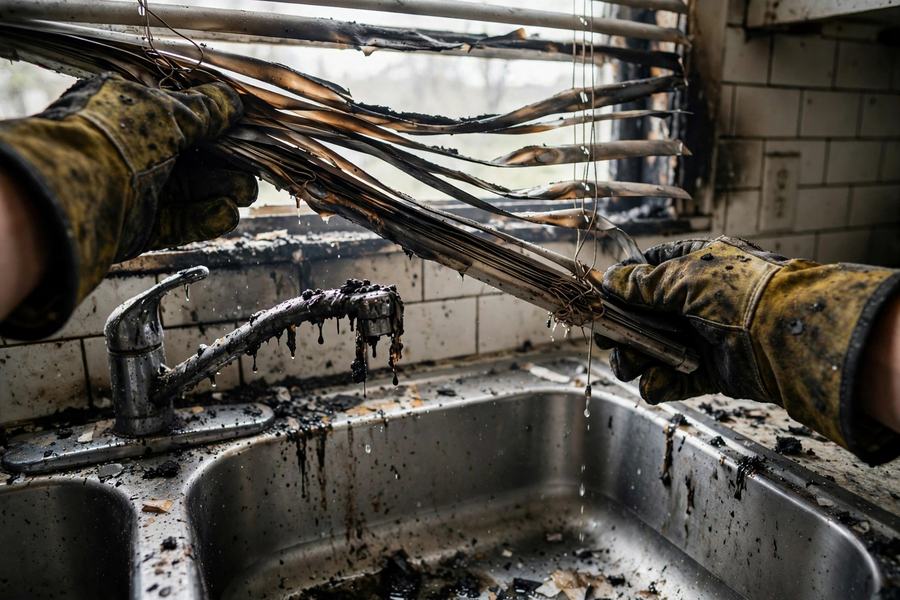
Kitchen Fire Cleanup
Cleanup after a cooking or grease fire, where the flames may be small but the protein smoke coats the whole home.
Emergency Board Up and Tarping
Securing a fire damaged home the same night: boarding broken windows and doors, and tarping roof damage so weather stays out.
Contents Cleaning and Pack Out questions, answered
When is contents cleaning and pack out an emergency?
Contents are rarely a night one emergency, with two exceptions: items that are actively wet from firefighting water, and anything you will need in the next few days. Tell the crew about both in the first call so they are handled first.
What affects the price of contents cleaning and pack out in Southfield?
The main price factors for contents cleaning and pack out are covered in the cost section above. The contractor confirms the exact price in a written estimate after seeing the job, and nothing is owed until you approve it. The call and the referral are free.
How long does fire restoration take?
Smoke only losses typically take one to two weeks from first cleaning to odor treatment. A fire that damages structure runs to months: one or two rooms with structural work commonly take three to six weeks of active repair, and larger structural losses can run three to nine months including permits and inspections. The variables are the scope the insurer approves, material lead times, and inspection scheduling. A contractor should give you a phase timeline in writing, not a single date promised on the phone.
Can I clean soot and smoke damage myself?
For a very light smoke film in one room, careful cleaning is possible, but two warnings matter. First, never wet wipe soot before dry lifting it: water and household cleaners smear soot and can set stains into paint permanently. Second, protein smoke from a kitchen fire and soot inside ducts, cabinets, and wall cavities are beyond household tools, and acidic soot left sitting etches metals and finishes within days. If the smell or film reaches more than the room that burned, a professional assessment is the safer call.
Will insurance pay for temporary housing after a fire?
Usually yes, if your policy includes loss of use (Coverage D), which most standard homeowners policies do. It pays the additional living expenses of being displaced, hotel or rental, and the increased cost of meals and essentials, up to your policy limit, while the home is uninhabitable due to a covered loss. Keep every receipt from the first night. If the home is habitable after the assessment, loss of use generally does not apply, which is one reason the habitability decision gets documented carefully.
Request a callback
Prefer to talk later? Leave your details and an independent local pro will call you back. No charge to you, no obligation.
Telegraph Road Fire Restoration is a free referral service. Submitting this form connects you with independent local contractors who provide the work.